Three diameters that do not mix, and one rating that means something
The best barbells for 2026
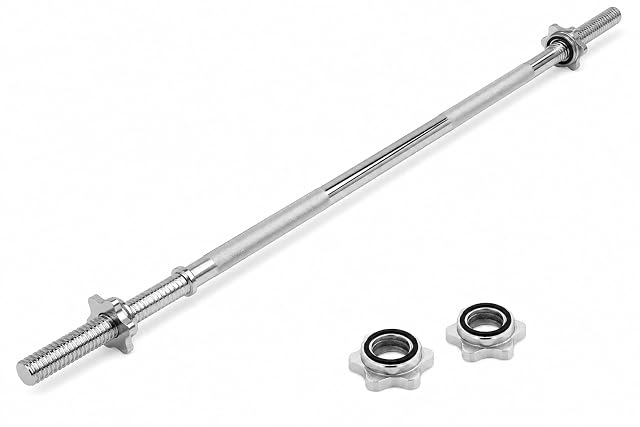
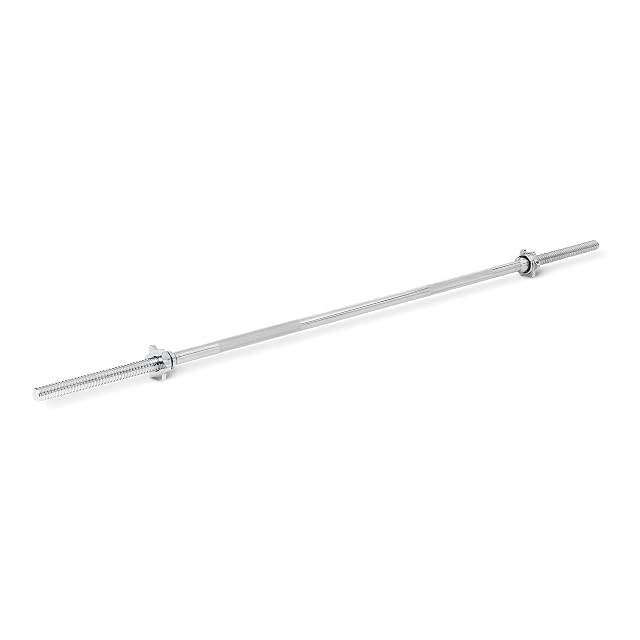
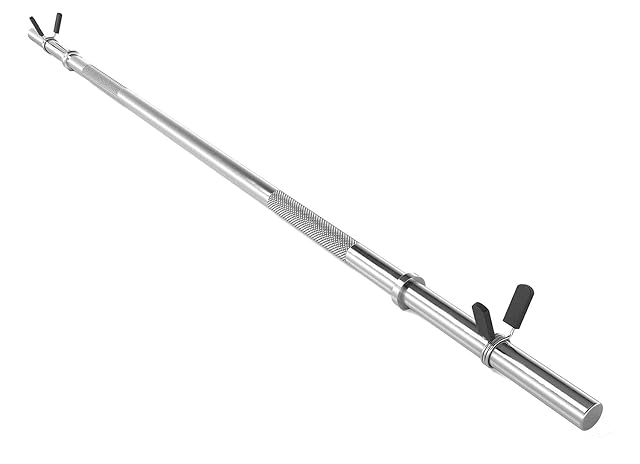
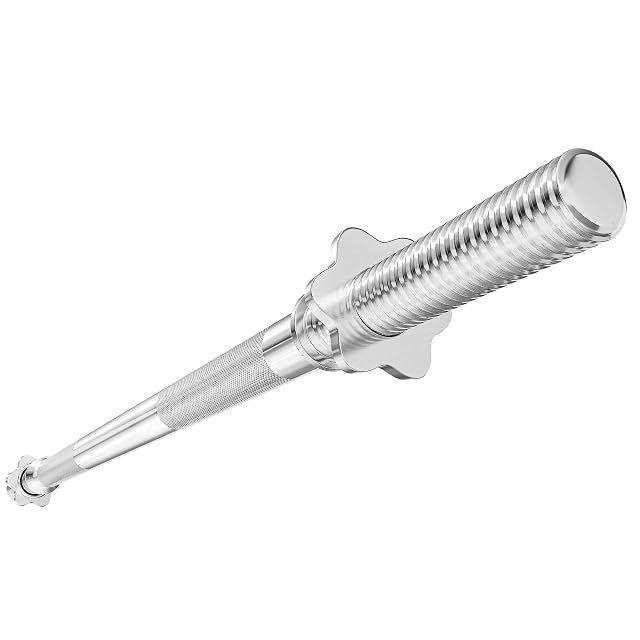
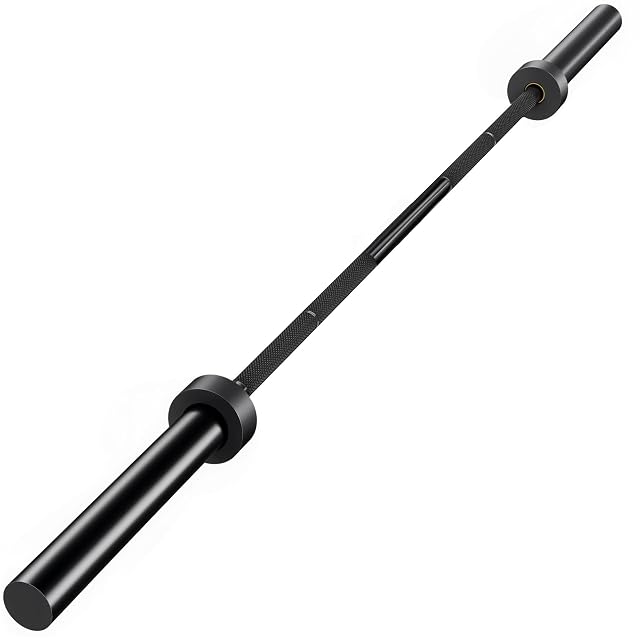
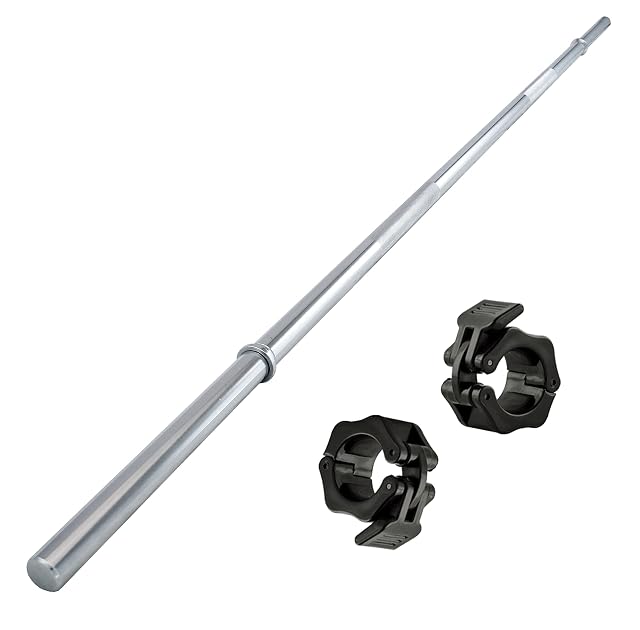
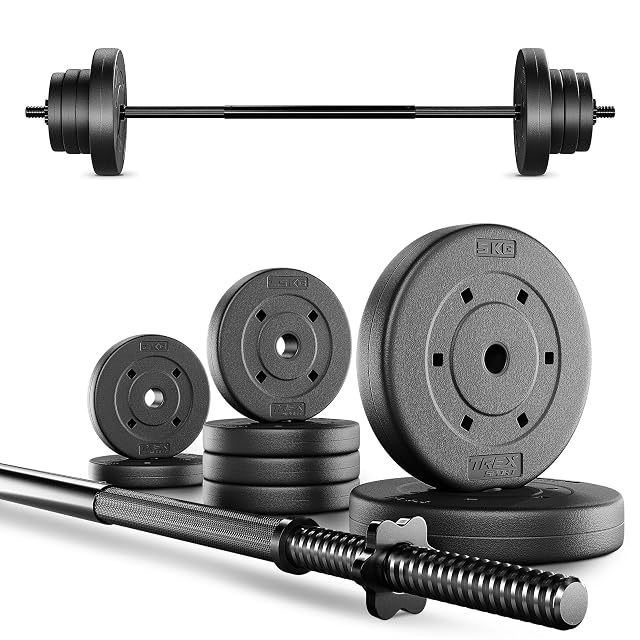
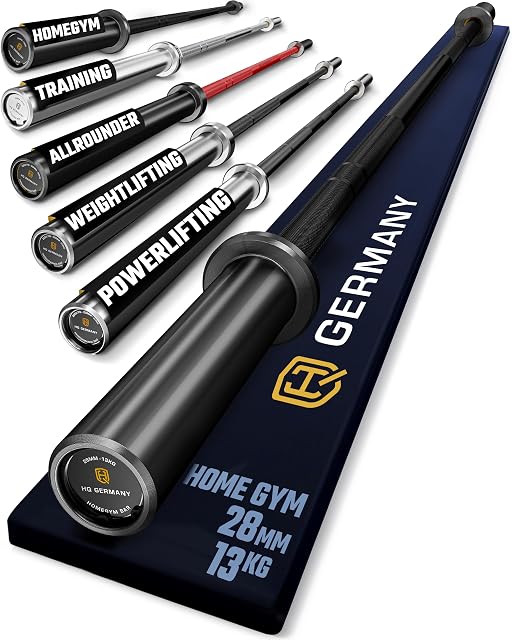
A barbell is a steel shaft with two sleeves, and almost everything that matters about it is a published number. The first is the sleeve diameter, and it is the one incompatibility on this shelf that makes a purchase unusable rather than disappointing: Ø 25.4 mm, Ø 30 mm and Ø 50 mm plates do not go on each other’s bars. German listings state this plainly and it is worth reading twice, because a 30 mm bar bought for a 50 mm plate collection is scrap. The second is the load rating in kilograms. Treat it as the maker’s statement rather than a certified limit — it is rarely tied to a named standard, and the ones that publish a test standard alongside it are the ones worth trusting. Then length, which decides whether the bar fits a rack at all: 120, 150, 170 and 220 cm are the common sizes, and the usable space between the sleeves is what has to clear the uprights. Shaft diameter — 25 mm, 28 mm, 30 mm — changes how the bar sits in the hand and how much it flexes; a thicker shaft is stiffer and harder to grip. Whether the sleeves rotate on bushings or bearings matters the moment the bar is cleaned or snatched, and not at all for a bench press. And the knurl, which no maker measures and everyone describes. We compare bore, length, bar weight, loadable sleeve length, shaft diameter, load rating, standard cited, sleeve rotation, knurl and collars supplied.