Magnesium carbonate, and what else is in the bottle
The best lifting chalk for 2026
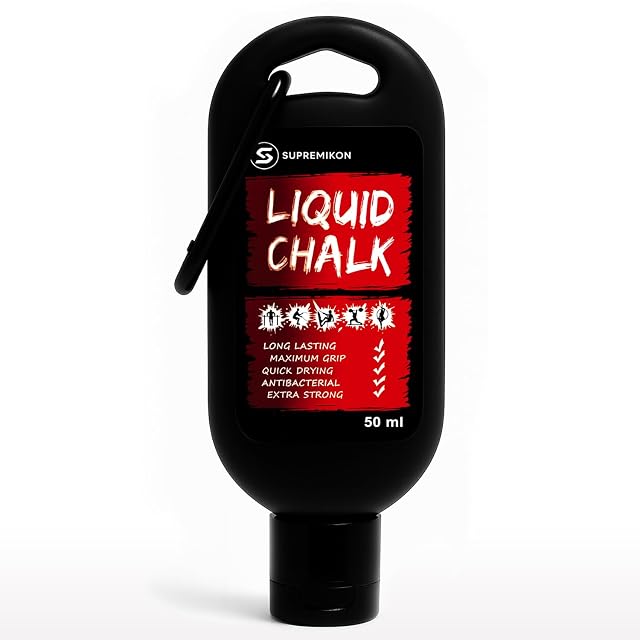
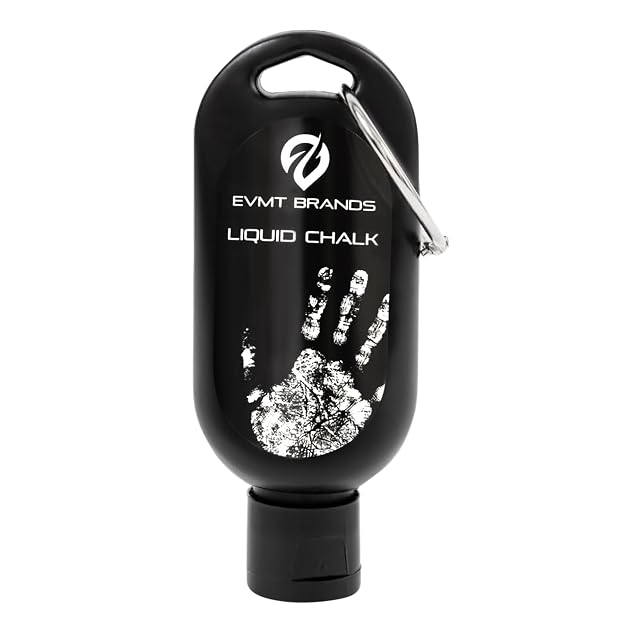
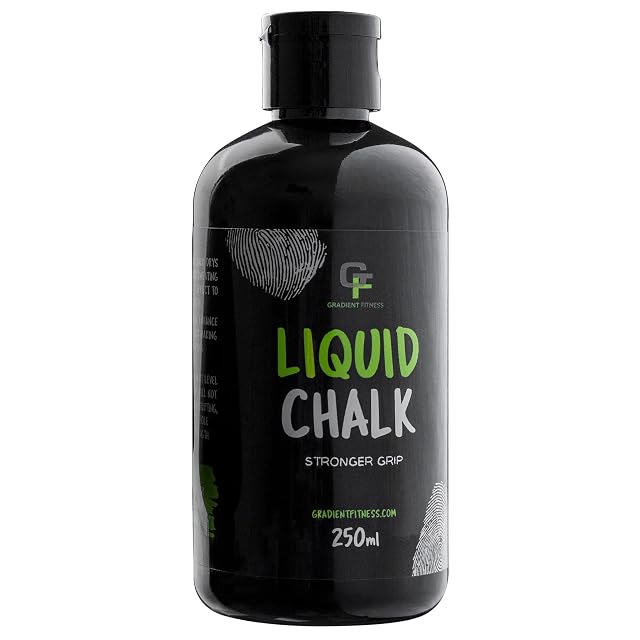
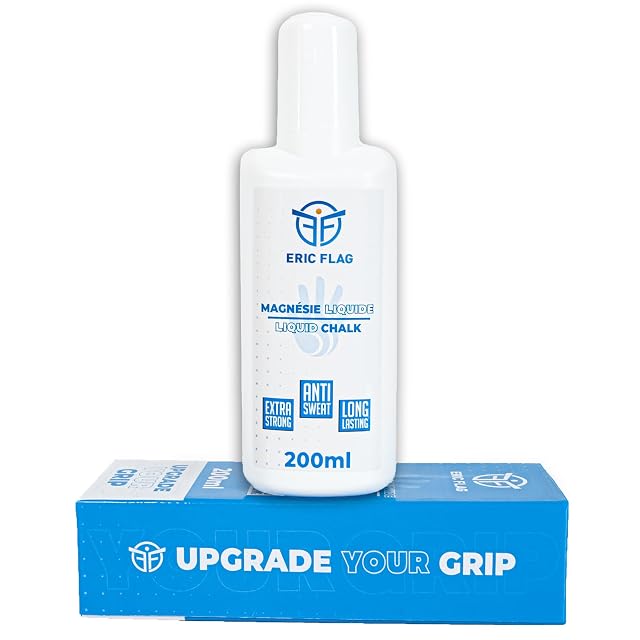
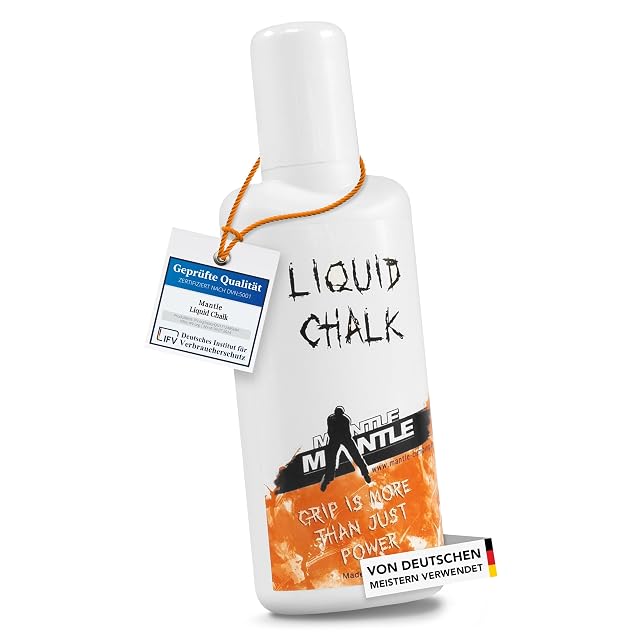
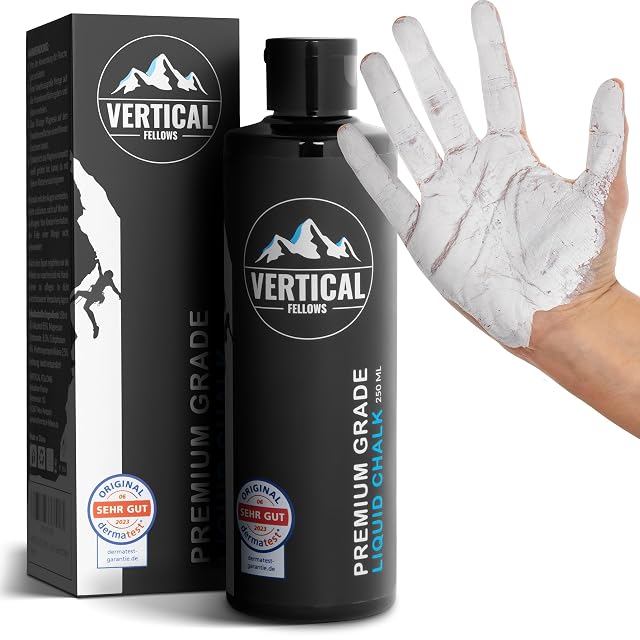
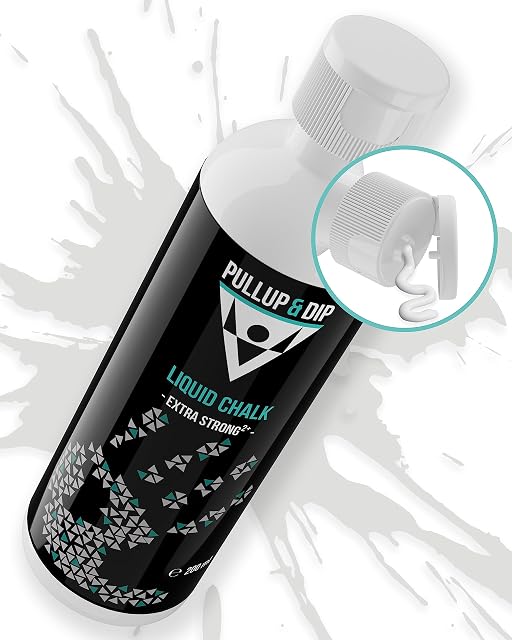
Chalk for lifting is magnesium carbonate, and its job is to absorb moisture from the palm. It comes in three forms and the choice is mostly about the room it is used in. Block chalk is the traditional article — pure, cheap by weight, and it produces dust, which is why a great many gyms ban it and why it is rarely the right choice at home. Loose chalk in a tub is the same material crushed. Liquid chalk suspends the magnesium carbonate in alcohol: it is applied wet, the alcohol evaporates in seconds and leaves a thin even layer, and it produces almost no airborne dust. That last property is the reason liquid chalk dominates the home market entirely, and it is why this shelf is mostly bottles. The figures worth reading on a bottle are short. Volume in millilitres, and the magnesium carbonate content where it is stated — some liquid chalks are largely alcohol and thickener, and the concentration decides how many applications a bottle gives. Rosin is added by some makers for extra tack; it is stickier, it lasts longer, and it is much harder to wash off equipment and hands. The alcohol content decides drying time and is what dries the skin, which is the real trade-off of liquid chalk over several sessions. And a point that belongs in every review on this shelf: whatever the form, chalk marks bars, benches and floors, and the listings do not mention it. We compare format, volume, composition, drying time and residue.