Bar spacing, base width, and whether it moves when you do
The best dip stations and power towers for 2026
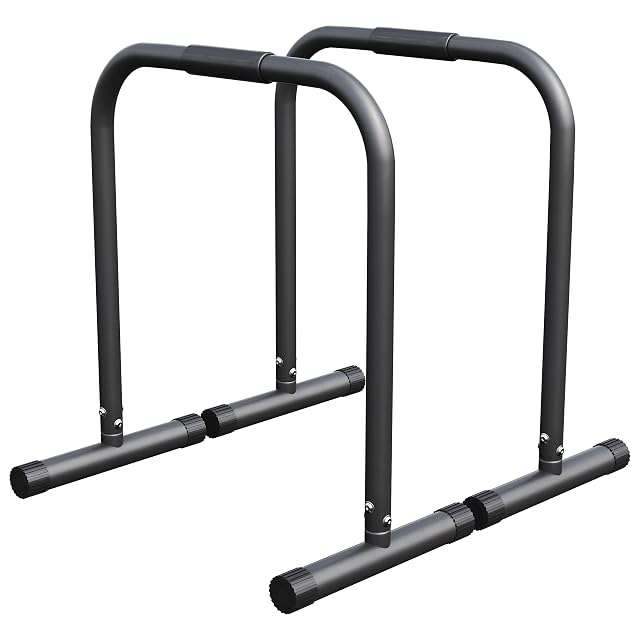
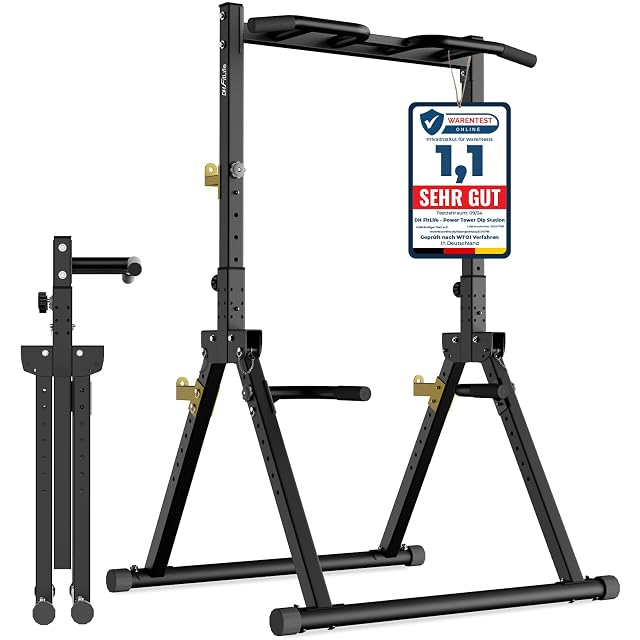
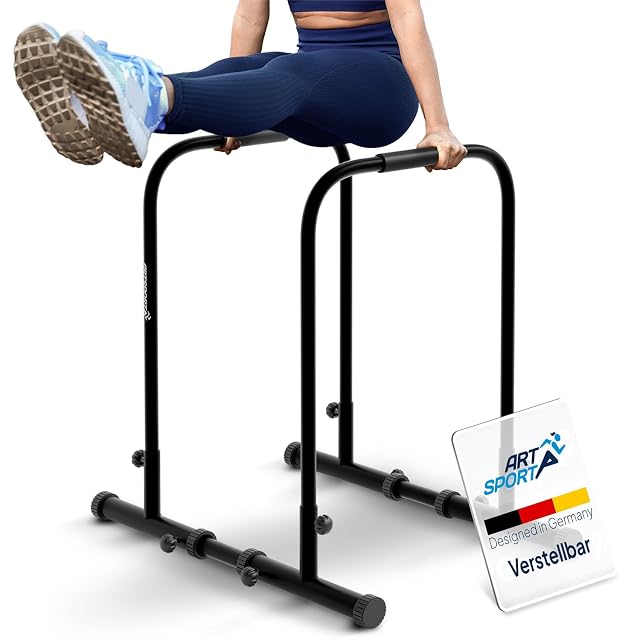
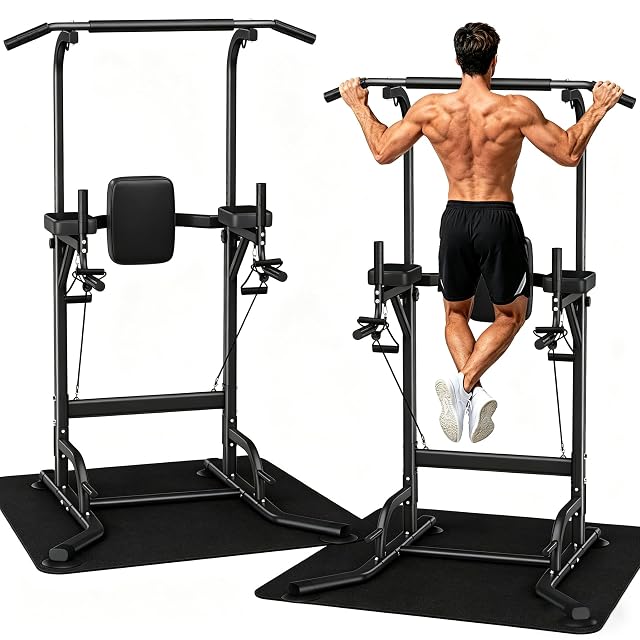
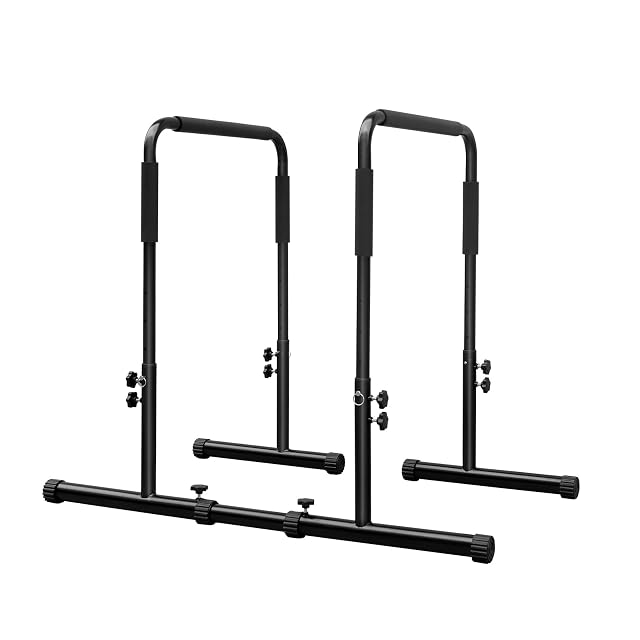
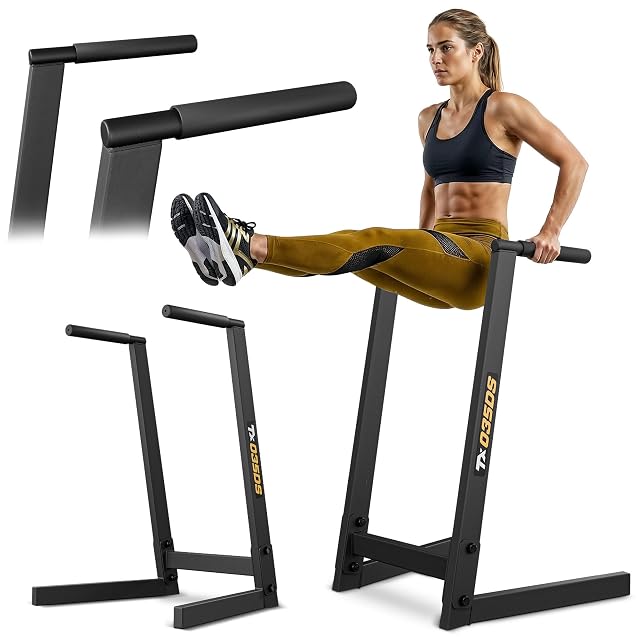
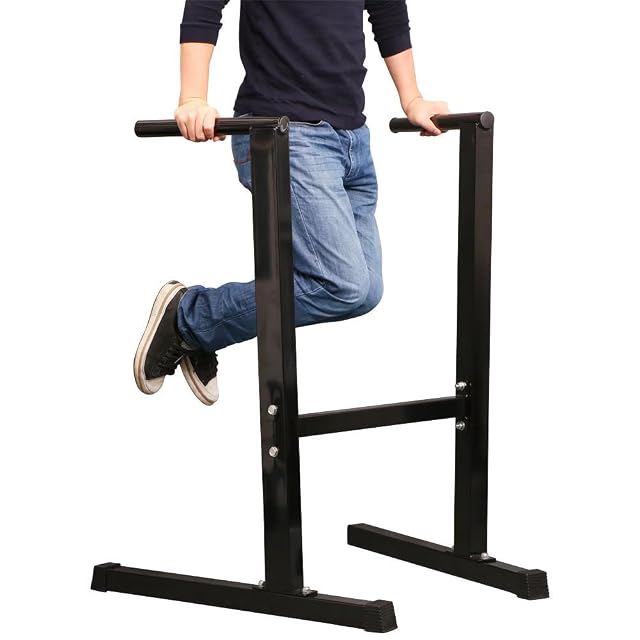
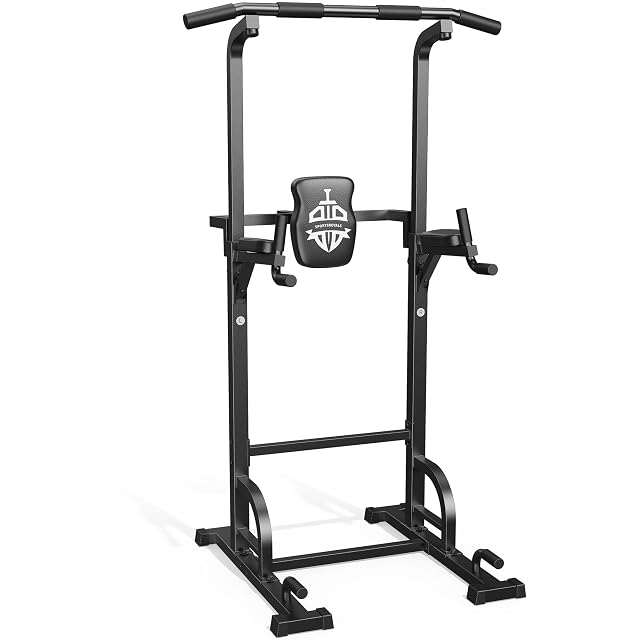
A dip station holds two parallel bars at chest height and a power tower adds a pull-up bar, a back pad and usually knee-raise arms above it. Both are frames carrying a person’s full weight through a small footprint, and stability is the whole review. The published user weight is the headline figure, and on this shelf it is worth treating as a static figure — a dip is entered by dropping into it, and the load at the bottom of the movement exceeds body weight. The bar spacing is the figure that decides whether the station suits the shoulders using it, and the good designs make it adjustable and publish the range: too narrow and the elbows flare, too wide and the shoulder takes the load. Bar diameter and its covering decide how long the grip lasts. Height adjustment matters for the pull-up bar on a tower — the useful figure is the height under the bar, which has to clear the user’s head with arms extended and still leave the floor reachable. Then the part that separates a usable tower from a wobbling one: the base. Its width and depth in centimetres, whether the uprights are braced diagonally, whether the feet are rubber and whether the frame can be bolted down — a tall tower on a narrow base moves during a dip, and that movement is what makes people stop using it. The assembled weight is a proxy for all of it: on this shelf, heavier is steadier. We compare grip width, height range, grip diameter, base footprint and max user weight.