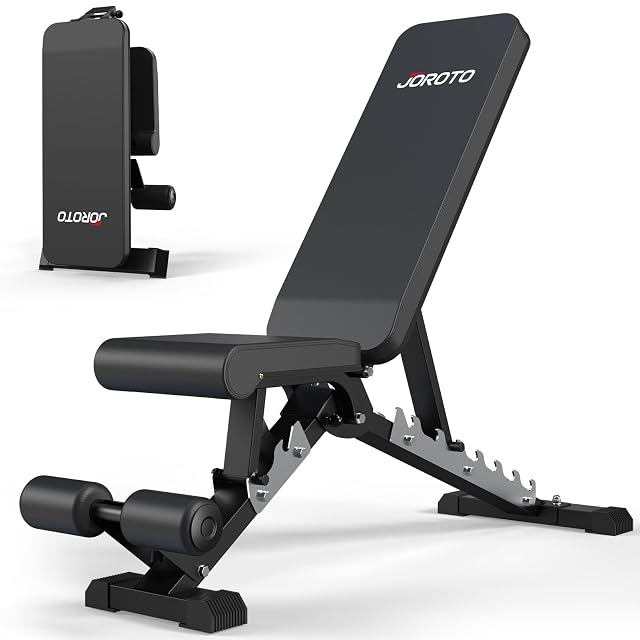
A load rating, a pad width, and a gap at the top
The best weight benches for 2026
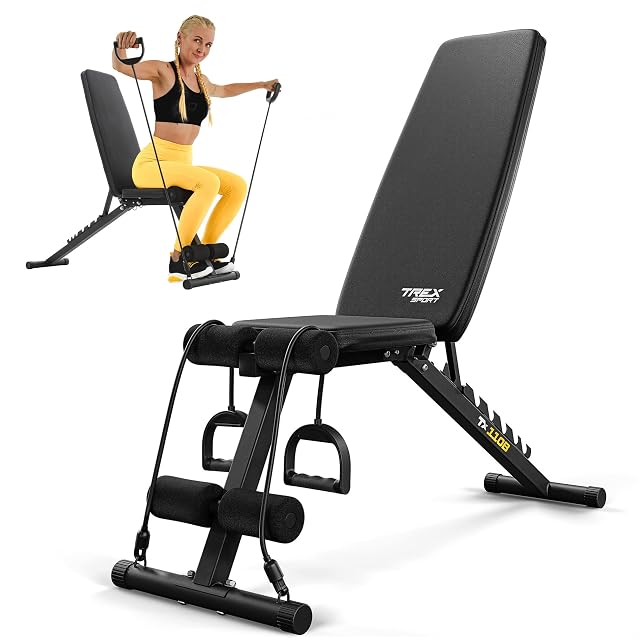
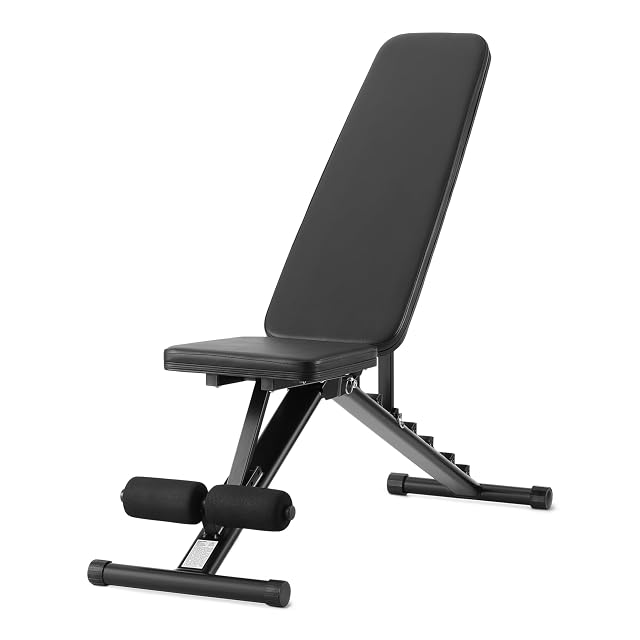
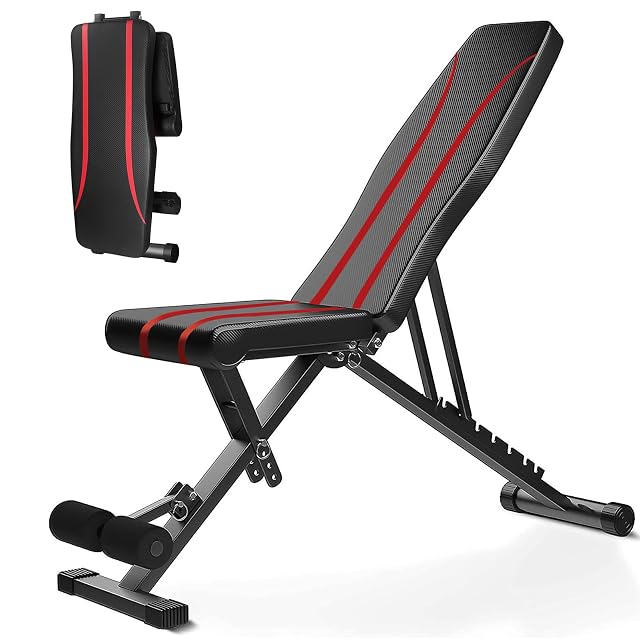
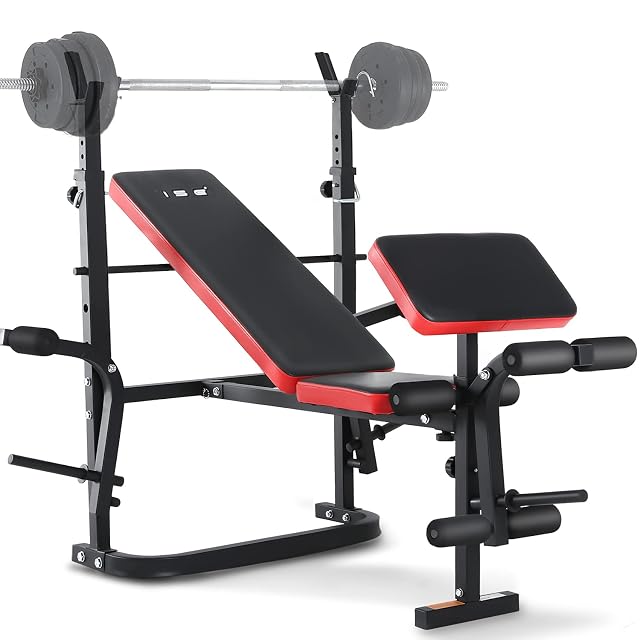
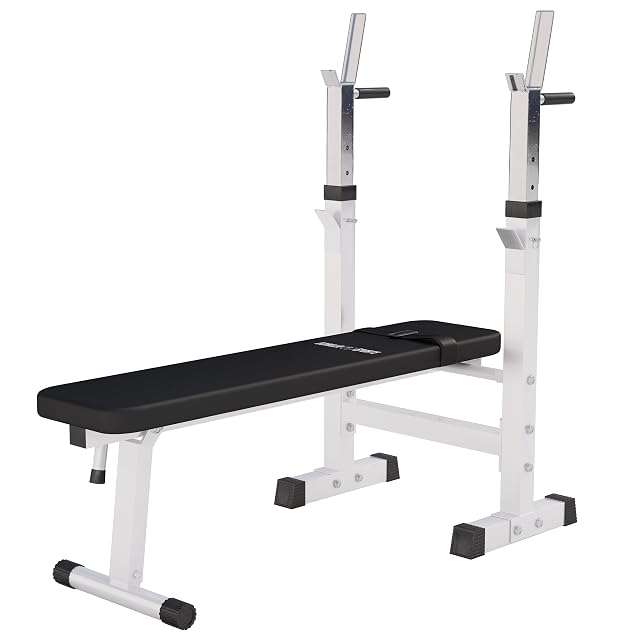
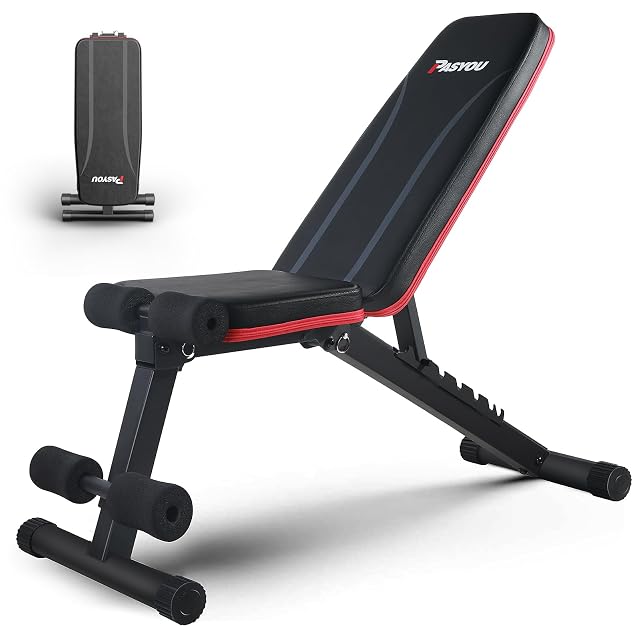
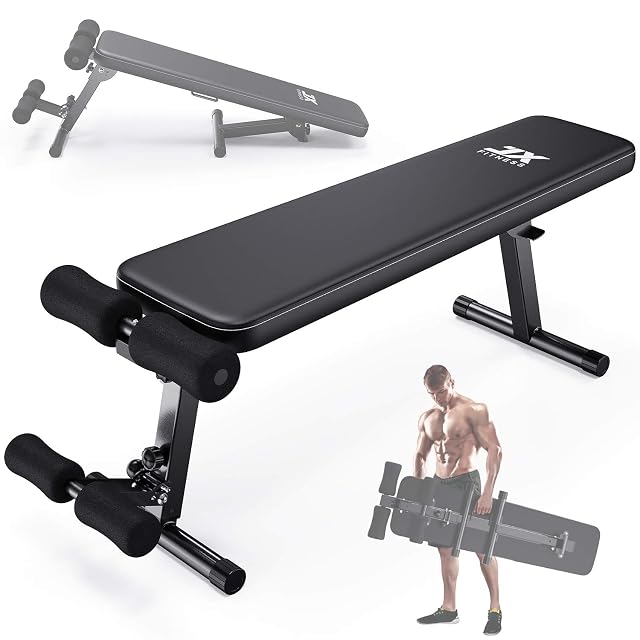
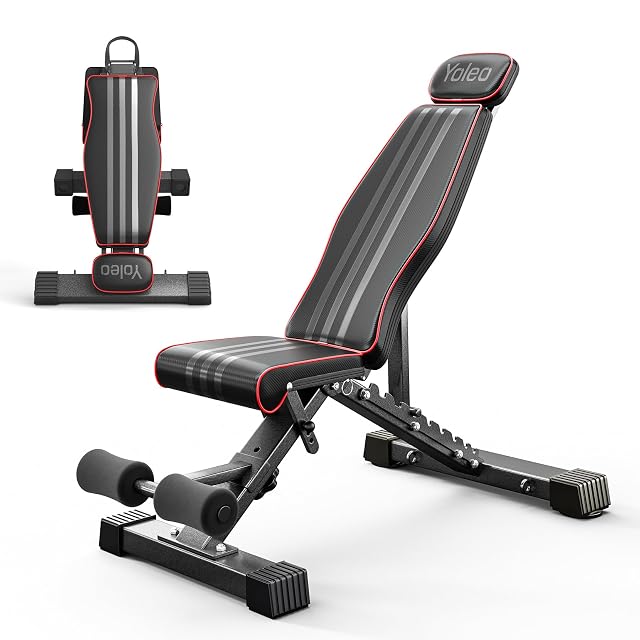
A weight bench is judged on a number the listing always gives and rarely explains: the total load, in kilograms. Read it as body weight plus barbell, because that is what it has to hold, and check whether the maker splits the two — some publish a separate user weight and bar weight, which is more honest and more useful. The second figure is the backrest, and the count of positions matters less than where they are: a bench with seven angles that stop at 45° cannot do an overhead press, and a bench with four that reach 85° can. Decline positions are a separate question and usually need a leg brace that is sold with the bench or not at all. Then the pad. Width decides shoulder stability — under 25 cm and the shoulder blades hang off, over 32 cm and they get in the way of a proper arch — and thickness with density decides whether the pad still supports a spine after two years. Neither is published as often as it should be. The gap between the seat pad and the back pad on an adjustable bench is the detail that separates designs: a large gap on an incline is where the lower back ends up unsupported. And the frame: tube section in millimetres, wall thickness, and whether the bench folds. A folding bench that takes ninety seconds to set up is a bench that gets used; one that needs tools does not. We compare pad width, pad length, pad height, back positions, max user weight, max total load and folded size.