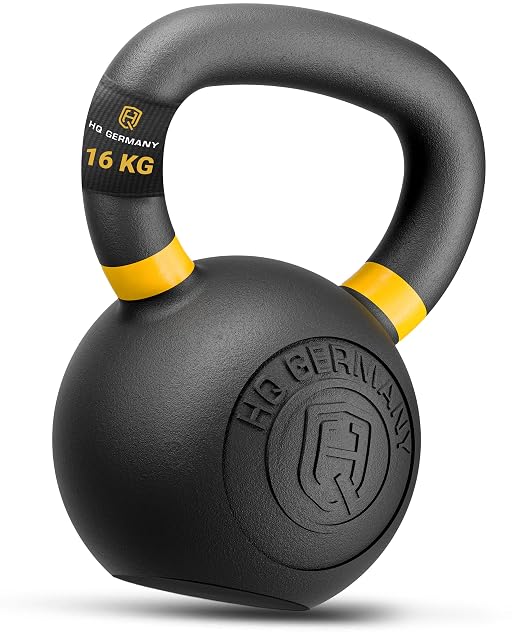
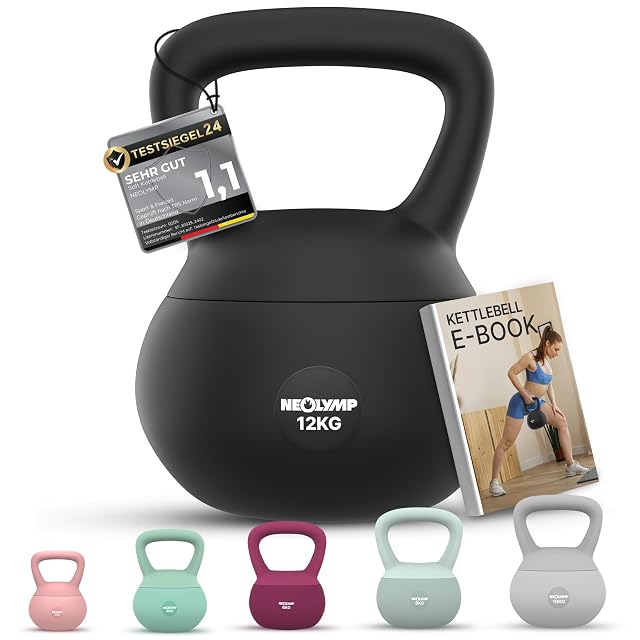
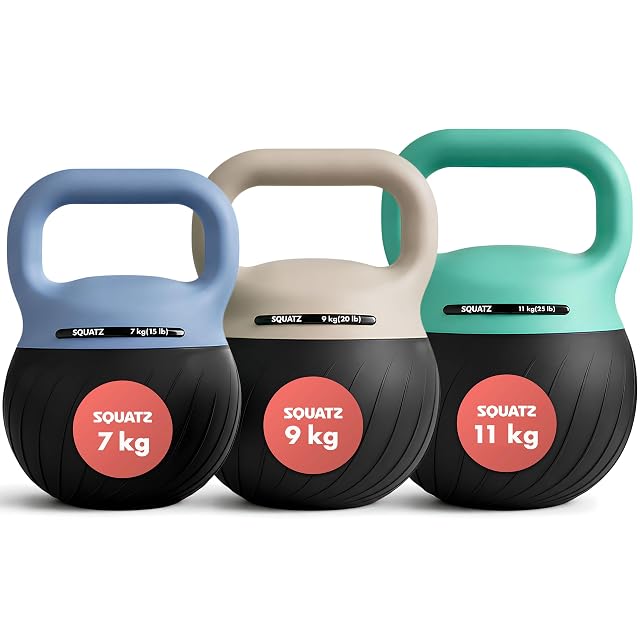
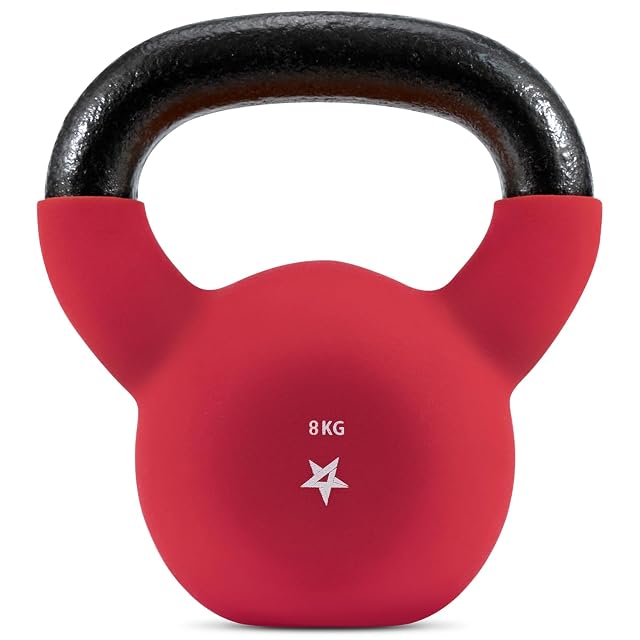
A handle window and a flat base, before any coating
The best kettlebells for 2026
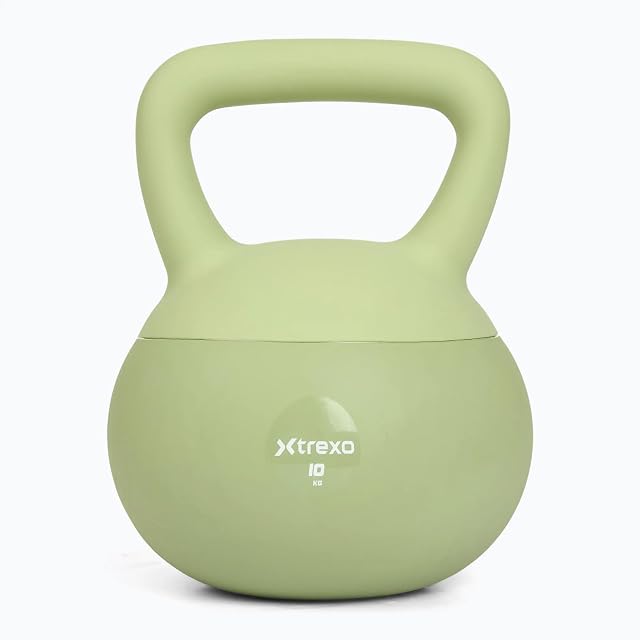
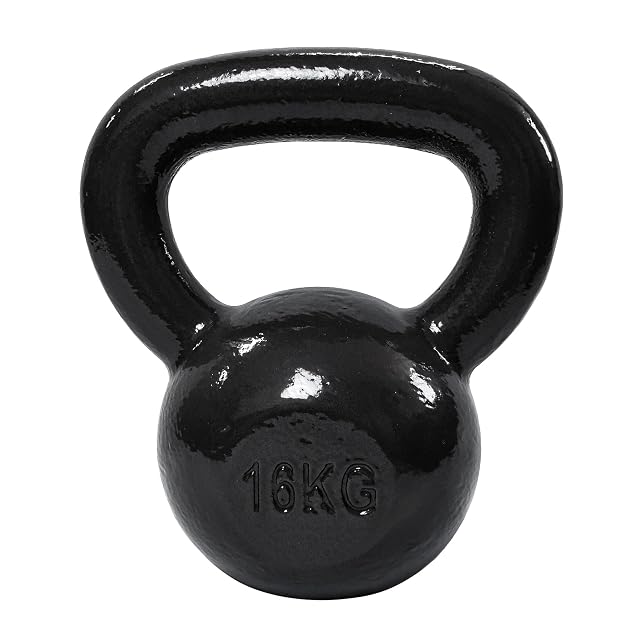
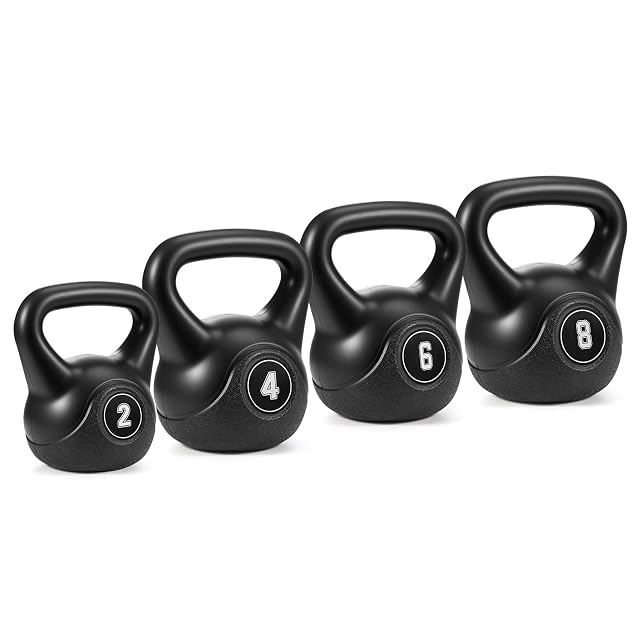
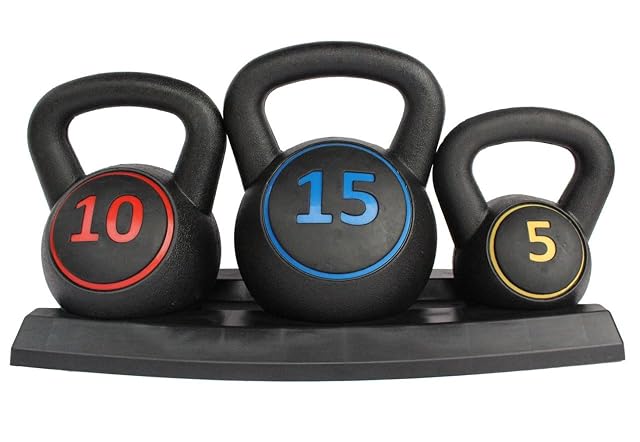
A kettlebell is one casting, so there is very little to go wrong and very little to specify — which is exactly why the few published figures carry weight. The mass is the headline, and the question to ask is whether the maker publishes a tolerance with it. Cast iron bells are commonly within a few per cent; competition bells are held much tighter because they are also held to a fixed external size. That distinction is the real fork on this shelf: a cast bell grows with its weight, so a 32 kg is physically bigger than a 16 kg and sits differently against the forearm, while a competition bell keeps one size across the range and changes only its density. Neither is better; they are different tools, and a rack of cast bells teaches a slightly different rack position at every weight. Then the handle, which is where hands actually meet the product: the window width decides whether two hands fit for swings, and the handle thickness decides how long a set lasts before the grip gives out. Both are published in millimetres by the makers worth buying from. The base should be flat and wide enough to stand still during a renegade row — a rounded base is a design choice, not an accident, and it is stated. Finally the coating: vinyl, powder, e-coat and bare iron all behave differently with chalk and sweat, and vinyl is the one that hides the casting underneath. We compare weight, weight tolerance, sizing type, handle window width, handle diameter, base width and coating.