An angle, a pad height, and an ankle hold that has to hold
The best back extension benches for 2026
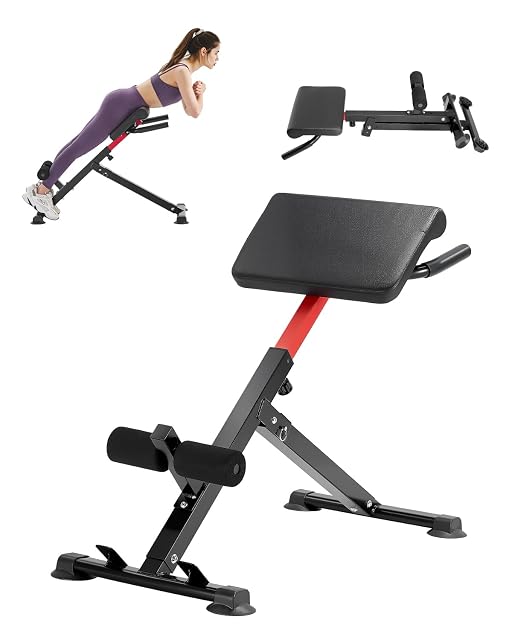
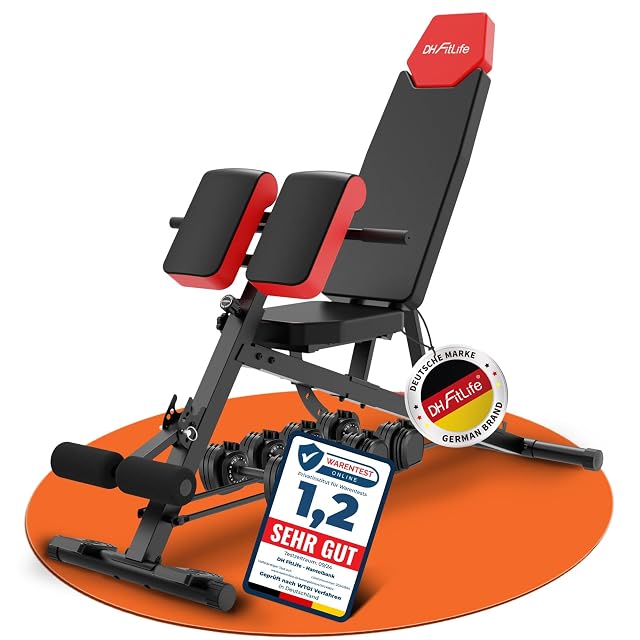
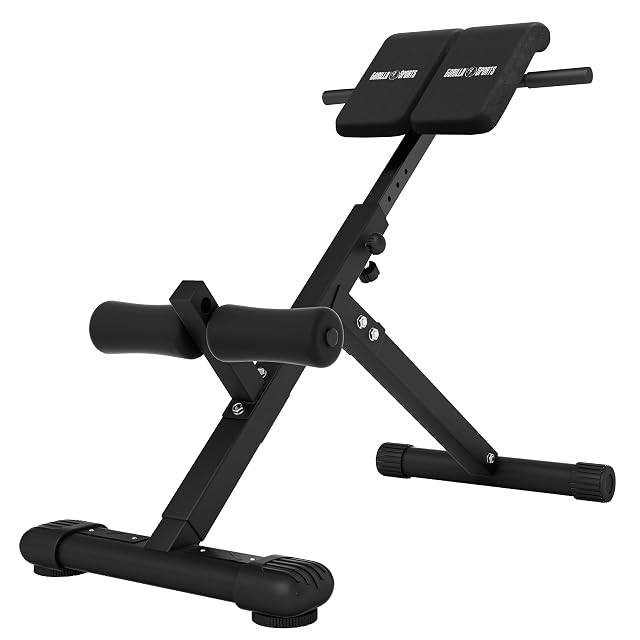
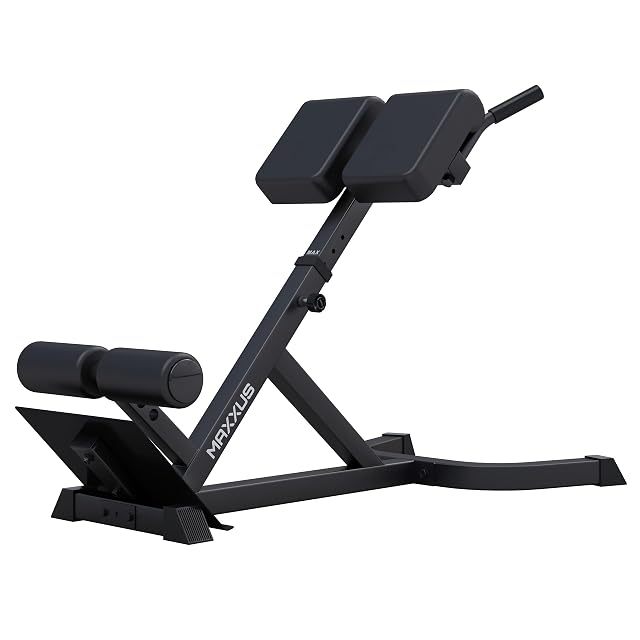
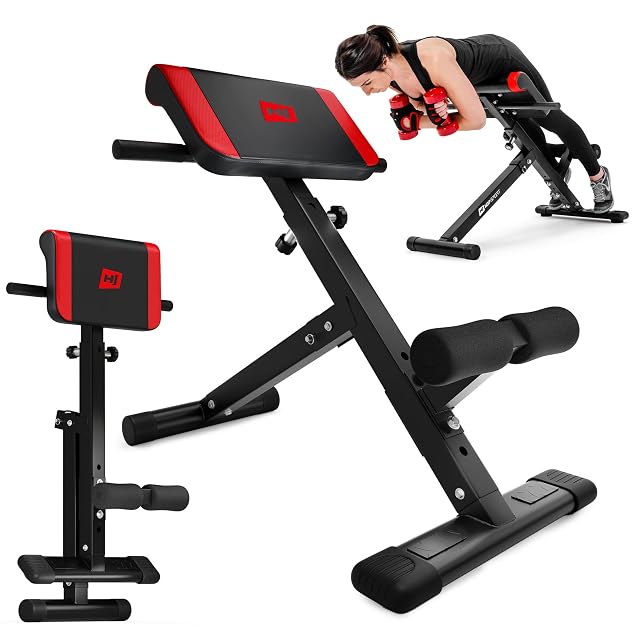
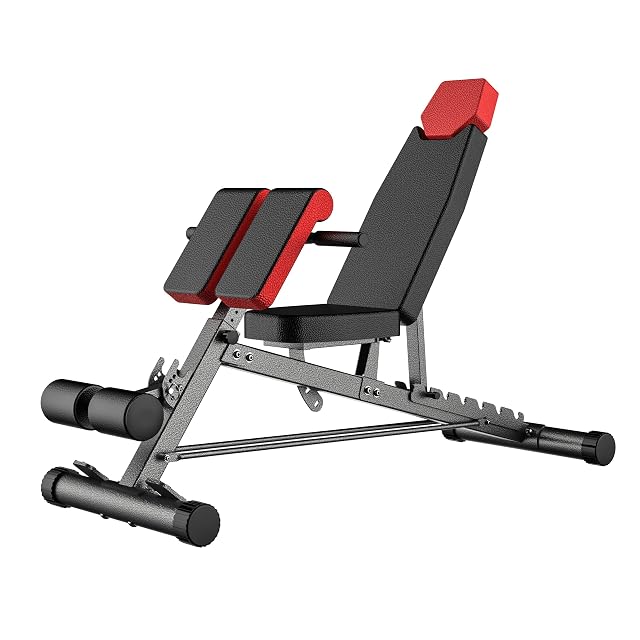
A back extension bench — a hyperextension bench — holds the ankles and supports the hips so the torso can hinge freely. Two designs share the shelf and they are not equivalent. A 45° bench has the user angled forward and is the common home article; a horizontal (Roman chair) bench has the body level and loads the movement much harder through the full range. Some frames convert between the two and state the angles they offer. The figure that decides whether either fits the person is the hip pad height, published as an adjustment range in centimetres: the pad must sit just below the hip bone, and a bench whose range stops short leaves the pad on the thigh, which changes the exercise into something else. The ankle hold is the part that fails in use — a pair of rollers with a published spacing adjustment is what allows different calf sizes, and a fixed pair suits one build. Its padding matters more here than anywhere else on this shelf, because it is carrying the whole upper body. Then the ordinary structural figures: published user weight, the frame tube section in millimetres, and the footprint, which on an angled bench is longer than people expect. Many of these frames are sold as multi-function benches that also do sit-ups and dips; the useful question is whether the back-extension geometry is right, not how many exercises the box claims. We compare pad angle, pad height range, ankle restraint, frame and max user weight.