A diameter chosen by leg length, and a burst rating
The best exercise balls for 2026
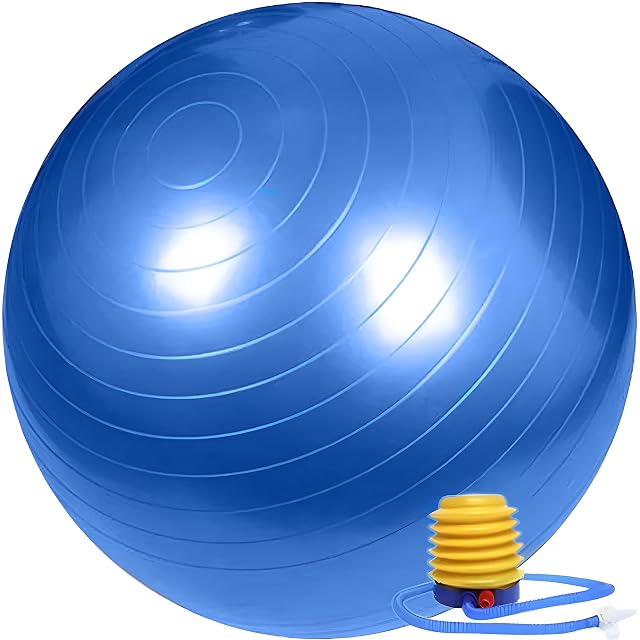
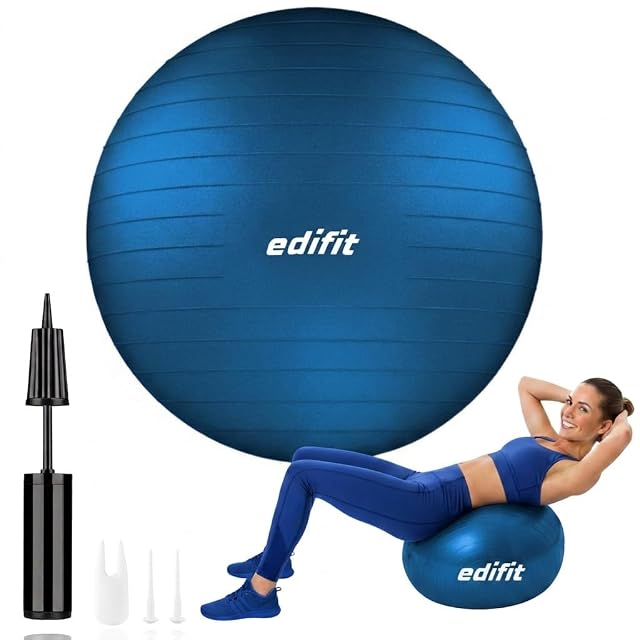
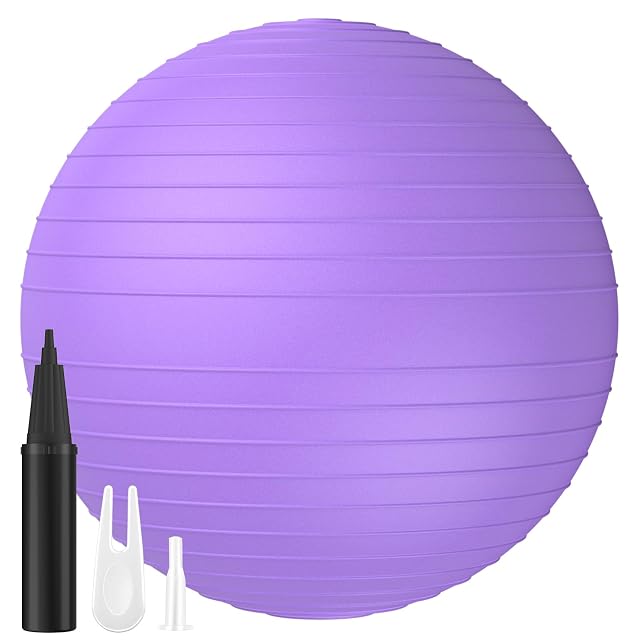
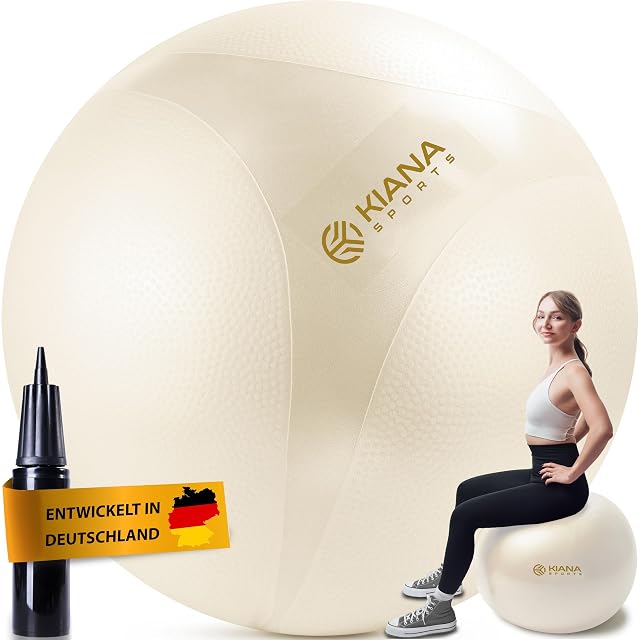
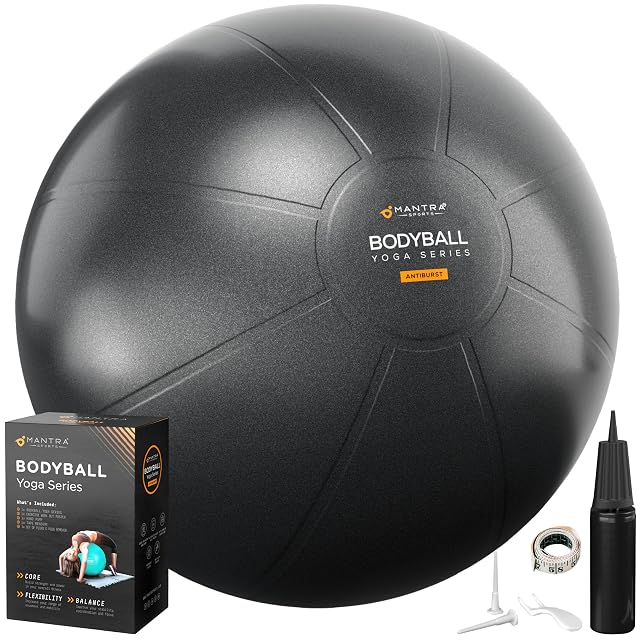
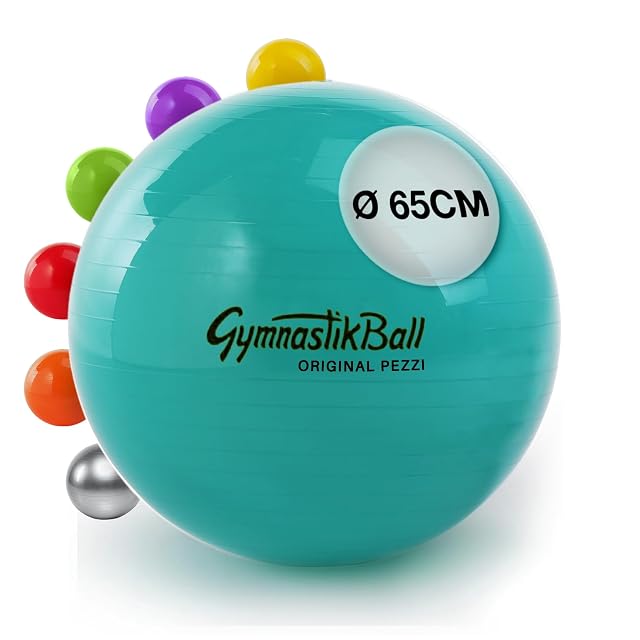
An exercise ball is chosen by diameter, and the rule the makers print is a useful one: sitting on the ball, hips and knees should be level, which puts most adults between 1.55 m and 1.70 m on a 55 cm ball, 1.70 m to 1.85 m on a 65 cm, and above that on a 75 cm. It is the only sizing guidance on this shelf that is consistent between brands. The second figure is the one that decides what happens when the ball meets a stray plate: the anti-burst rating. A true anti-burst ball deflates slowly through a puncture rather than exploding, and the serious makers state a burst resistance in kilograms alongside a static load. Those are two different numbers — the static load is what it holds sitting still, the burst figure is what it survives — and a listing quoting only one is quoting the flattering one. Material thickness, in millimetres, is the figure underneath both, and it is published less often than it should be. Then the surface: a light texture is what stops a ball sliding out from under a plank, and a high-gloss finish is the one that does on a smooth floor. What comes in the box varies more than on any other shelf here — a pump is essential and usually included, a plug remover is not always, and a stability ring that stops the ball rolling away is sold separately about half the time. We compare diameter, burst rating, material, max user weight and pump supplied.