A sled angle, a plate post, and a safety catch you will use
The best leg presses for 2026
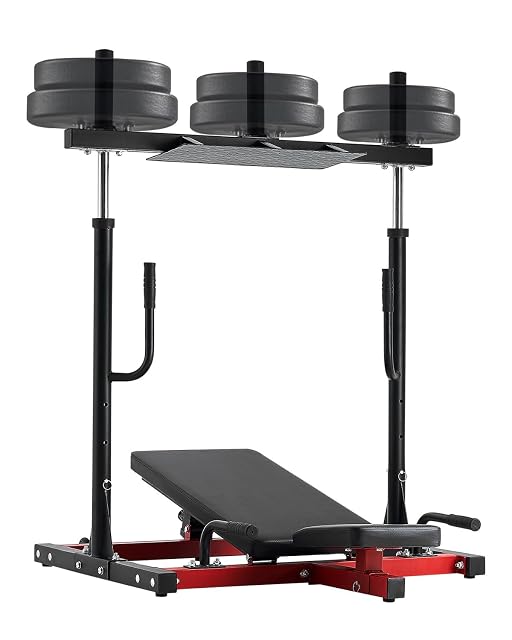
A leg press is the largest and heaviest thing most home gyms ever contain, so the figures that matter are as much about the room as about the machine. The published load comes first and should be read carefully: on a plate-loaded press it is the weight of plates the sled will carry, and on a vertical press it is sometimes quoted including the user. The sled angle defines the machine — 45° is the classic incline press, a vertical press puts the load directly overhead and takes far less floor, and a horizontal or seated press is the compact option that loads differently again. None is a substitute for another and the angle is always stated. The plate post diameter is the compatibility question and the same trap as on barbells: Ø 30 mm and Ø 50 mm posts take different plates, and a press bought for the wrong collection needs adapter sleeves. Then the footplate: its dimensions decide whether a wide stance is possible, and its surface decides whether a shoe slips on it under load. Safety catches are not a luxury on a machine that puts a loaded sled above a lying body — the number of positions and how they engage is the specification to read, and a press without them should be treated as a two-person machine. Finally the two figures that decide whether it can be owned at all: the footprint and the assembled weight, which on this shelf runs well past what one person can move. We compare resistance, adjustment, frame, footprint and max user weight.