A diameter, and a stiffness given in words
The best pilates rings for 2026
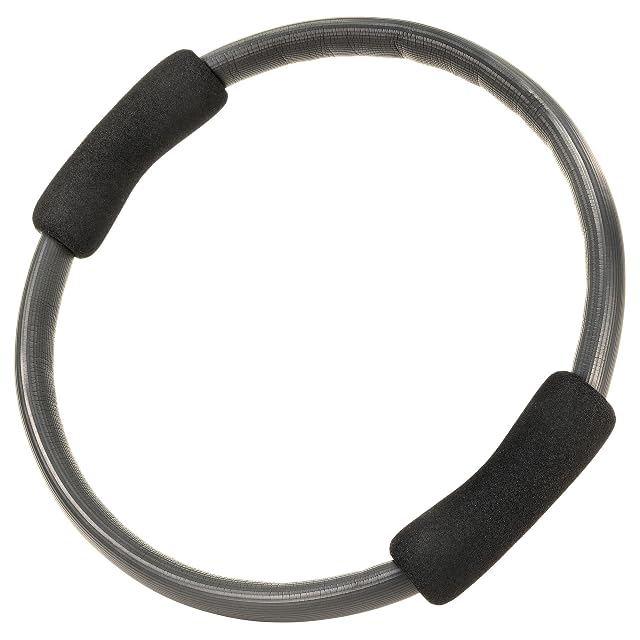
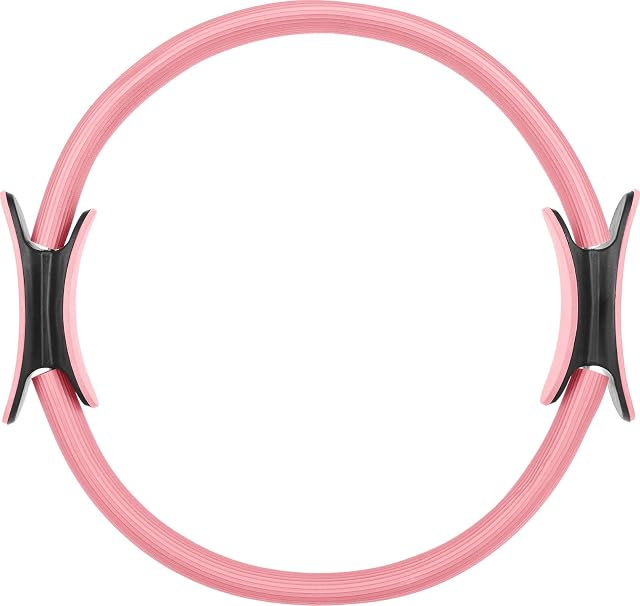
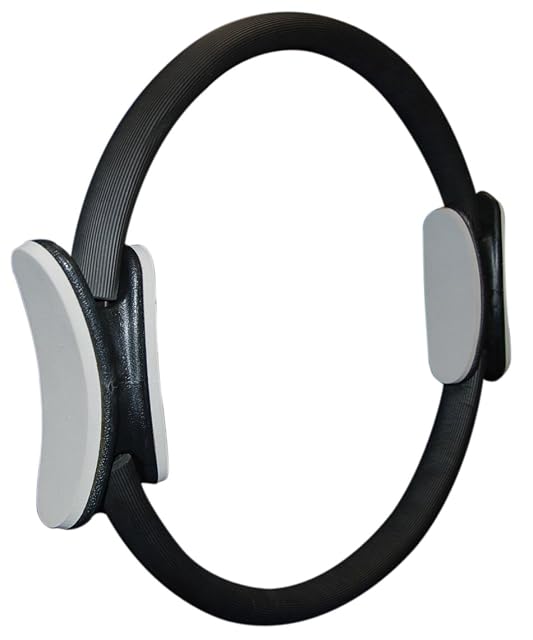
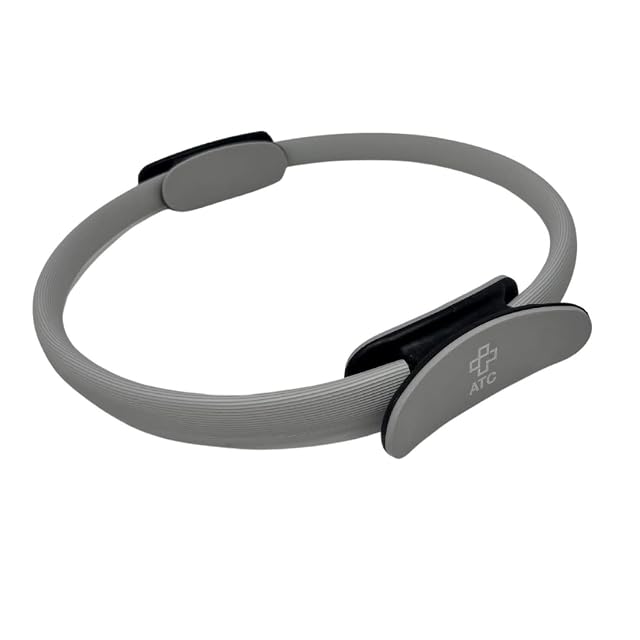
A pilates ring — a magic circle — is a sprung hoop squeezed between the hands or the knees. Its specification is two figures and one of them is usually missing. The diameter, in centimetres, is always given: 33 to 38 cm is the standard range, and the smaller sizes suit shorter arms and narrower hips. The resistance is what actually differs between rings, and the shelf expresses it in words — soft, medium, firm — rather than in any unit. That is worth saying plainly: there is no standard, the makers do not measure it, and a “firm” ring from one brand can be softer than a “medium” from another. What can be compared is the core material, which is where the resistance comes from: a fibreglass core is springy and light, a steel core is heavier and firmer, and a moulded plastic ring is the cheapest and the one that takes a permanent set. The pads matter more than they look: their position — two opposed, or four — decides which grips are possible, and their material decides whether the ring slips off a knee when the leg sweats. The weight in grams is published by the better makers and is a reasonable proxy for the core. A few rings publish a load, which is the force at which the ring deforms permanently; it is rare and it is the most useful number on the shelf when it appears. We compare diameter, resistance, grip type, material and mass.