A thickness that trades grip for padding
The best yoga mats for 2026
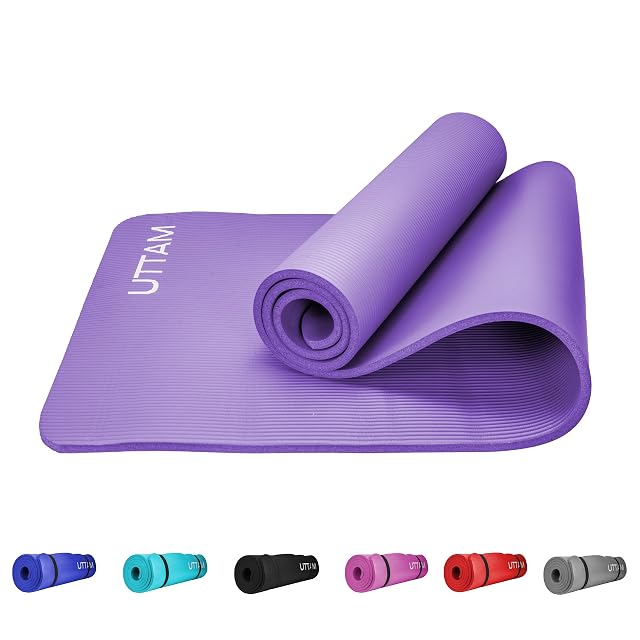
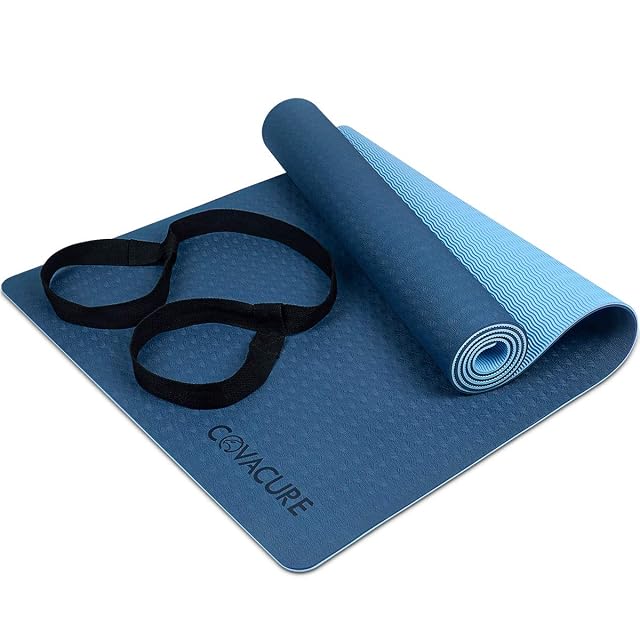
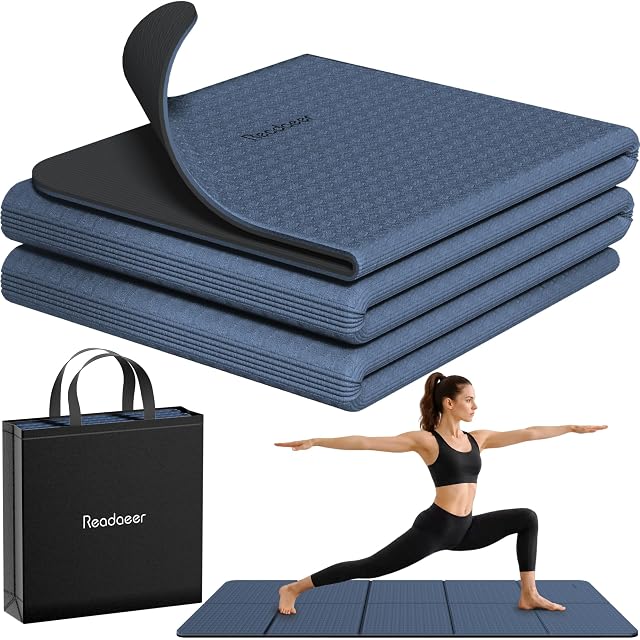
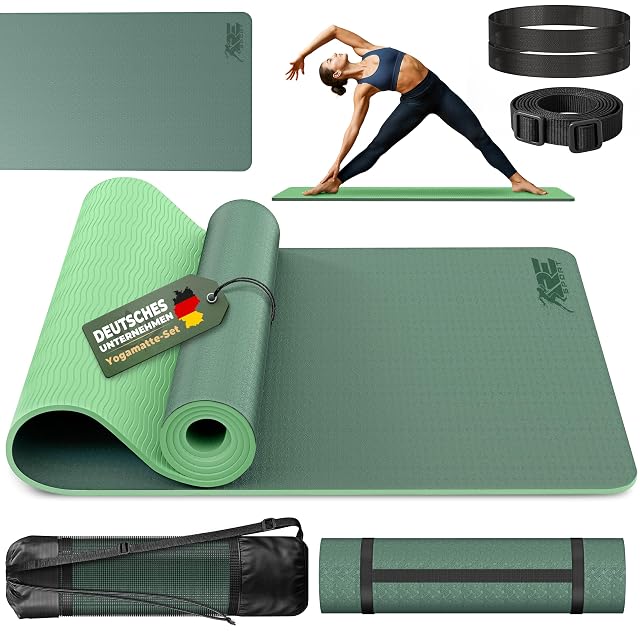
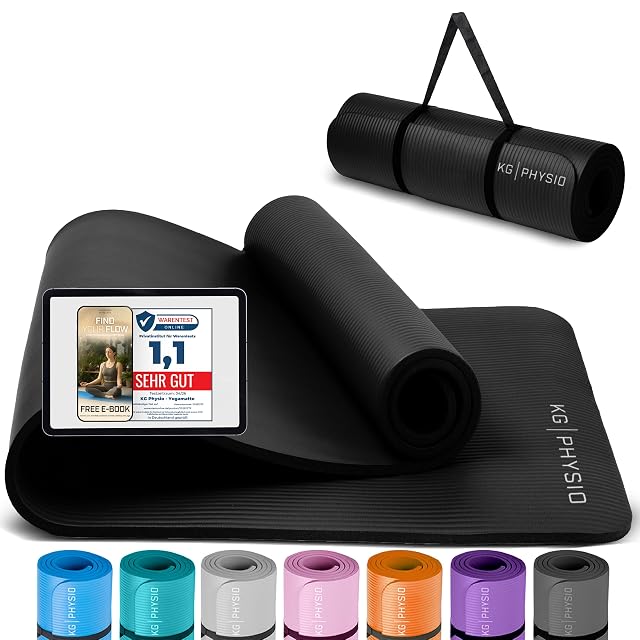
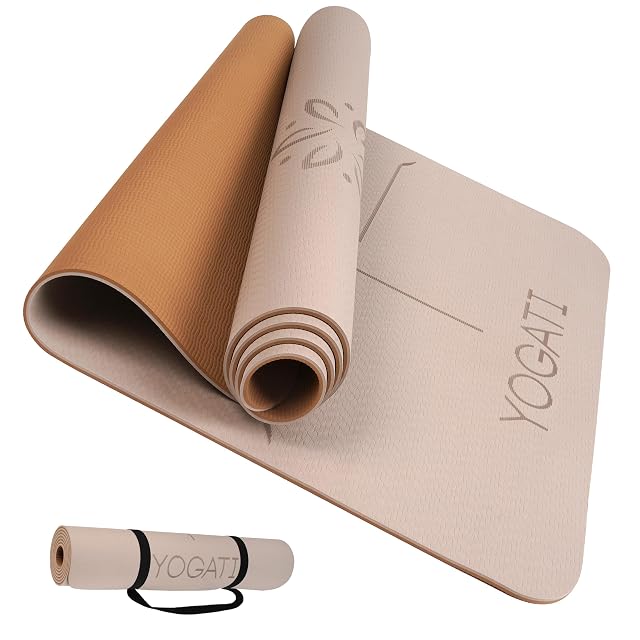
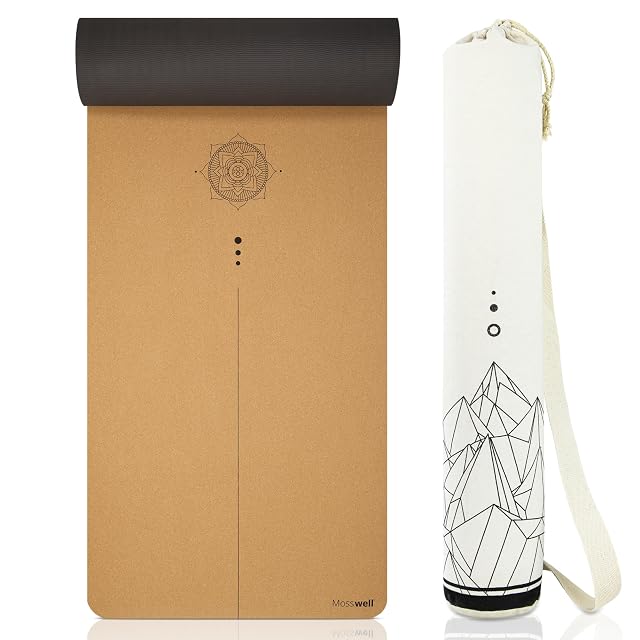
A yoga mat trades two properties against each other and the whole shelf is that trade. Thickness, in millimetres, is the figure every listing gives: 3 mm is a travel mat and a grip mat, 5 to 6 mm is the general-purpose thickness, 8 to 15 mm is a fitness mat for floor work and kneeling, and above that it is padding for exercises done on the back. What thickness costs is stability — a 15 mm mat under a standing balance is a mat the ankle sinks into, and that is not a defect, it is the consequence. The material decides grip and life. PVC is cheap, durable, grippy when dry and slippery when wet. TPE is lighter, softer, recyclable and wears faster. Natural rubber grips best of all including when damp, weighs the most, and has a strong smell for weeks. Cork over rubber grips better wet than dry, which is unusual and is why it suits hot practice. Cell structure is the property behind hygiene: a closed-cell mat does not absorb sweat and wipes clean; an open-cell mat grips better and absorbs, which means it needs washing and eventually smells. Makers state it when it favours them. Then the plain dimensions — length matters for anyone over about 1.80 m, since a 173 cm mat leaves a head or a heel on the floor — and the weight, which decides whether the mat ever leaves the house. We compare thickness, dimensions, material, mass, surface and alignment lines.